In 2026, polarization is among the most requested features in performance eyewear, and for good reason. Polarized cycling sunglasses reduce glare and enhance visual clarity and contrast, helping cyclists see more clearly and ride safely in bright or reflective conditions.
However, polarized sunglasses are not suitable for all cycling conditions. Here is a clear, practical overview of polarized lens technology, its benefits and limitations for cycling, and why polarized sunglasses deserve a place in your cycling sunglasses lineup.
Picture by Tuvalum on Unsplash
Polarized cycling sunglasses are sport-specific eyewear equipped with lenses that contain a specialized filter layered into the lens material. This filter works similarly to a set of microscopic horizontal blinds: it selectively blocks horizontally polarized light waves while allowing vertically oriented light to pass through to the eye.
When sunlight strikes a flat surface — such as wet asphalt, car hoods, or a body of water — it reflects back at a horizontal angle, creating intense, concentrated glare. This is the type of glare that causes cyclists to squint, lose visual clarity, or momentarily lose sight of the road ahead. The polarized filter is specifically designed to block this horizontal reflected light, while still allowing the rider to see their surroundings clearly and comfortably.
This is what distinguishes polarized sunglasses for bike riding from standard tinted lenses. Tinted lenses reduce overall brightness; polarized lenses selectively target and eliminate the most disruptive form of glare.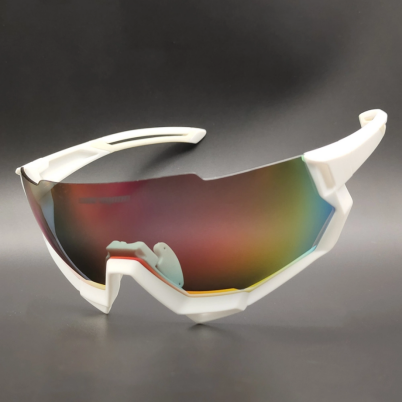
Picture shown: JN006 Polarized Sports Sunglasses
The most significant advantage of polarized cycling sunglasses is glare reduction. Reflections off wet pavement, puddles, windshields, and metallic surfaces can be momentarily blinding — a serious safety hazard at speed.
By filtering out horizontal light waves, polarized lenses allow cyclists to maintain a clear, uninterrupted view of the road, even in conditions where glare would otherwise be highly disruptive.
This benefit is particularly evident on open road rides, coastal routes, or any environment with high-reflectivity surfaces.
Beyond glare reduction, polarized sports sunglasses enhance the contrast and sharpness of what the rider sees. By removing scattered "hazy" reflected light from the visual field, colors appear more vivid, and road textures become more defined. This makes it easier to detect surface changes — such as cracks, loose gravel, or wet patches — before they become hazards.
Sustained exposure to glare forces the eyes to work harder and causes involuntary squinting. Over the course of a long ride, this contributes to significant eye fatigue, reduced alertness, and headaches. Polarized lenses keep the eyes in a more relaxed state, helping cyclists maintain focus and comfort throughout extended training sessions or endurance events.
High-quality polarized cycling sunglasses pair the polarized filter with UV400 protection, blocking 100% of UVA and UVB rays. Cyclists who spend multiple hours outdoors are exposed to considerable cumulative UV radiation, and polarized lenses with UV400 offer a more complete protective barrier than standard tinted lenses alone.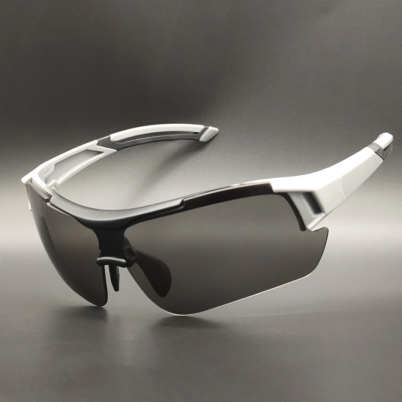
Picture shown: JN007 Polarized Sports Sunglasses
Polarized lenses are not a universal solution for every riding condition. Understanding their ideal use cases helps brands and buyers make better product decisions.
This distinction is important for brands curating a product lineup. Offering both polarized and non-polarized options — or interchangeable lens systems — gives end users the flexibility to choose the right lens for their specific riding context.
For brands and distributors developing custom cycling glasses, the quality of the polarized lens — and the precision of the manufacturing process — directly impacts the end product's performance. Key considerations include:
Yijia Optical manufactures a range of polarized sports sunglasses designed specifically for cycling and other outdoor activities. One example from our lineup is the JN001, a sport cycling sunglass built around a TR90 frame weighing just 23.5 grams.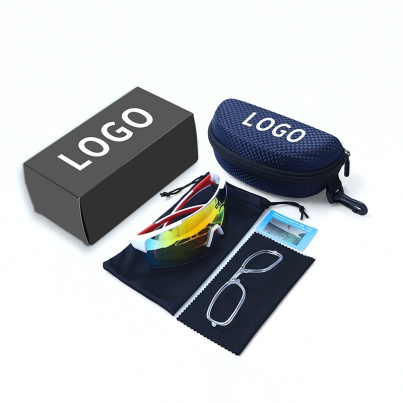
It features a PC lens with polarized functionality, along with UV400 protection — combining glare reduction and UV defense in a single, lightweight design. Like all products in our lineup, the JN001 is available for OEM and custom branding, with support for logo, packaging, lens color, rivet, and brand name customization.
Backed by ISO-9001 quality management systems, CE certification, and 10 automated production lines across more than 16,000 square meters of manufacturing space, Yijia Optical is equipped to support both large-volume orders and smaller customized runs.
If you're developing or expanding a polarized cycling eyewear line, Yijia Optical offers the manufacturing capabilities, product expertise, and customization flexibility to bring your vision to market efficiently. From lens technology to frame design and OEM branding, our team can support your product development at every stage.
Slug:
what-are-polarized-cycling-sunglasses
Title:
What Are Polarized Cycling Sunglasses? Why Are They Important in Your Cycling Sunglasses Lineup?
Meta Description:
Learn what polarized cycling sunglasses are, how polarized lenses reduce glare and improve cycling safety, and why they are essential for modern cycling sunglasses lineups.
Keywords:
polarized cycling sunglasses, polarized sunglasses for bike riding, polarized sports sunglasses, custom cycling glasses


